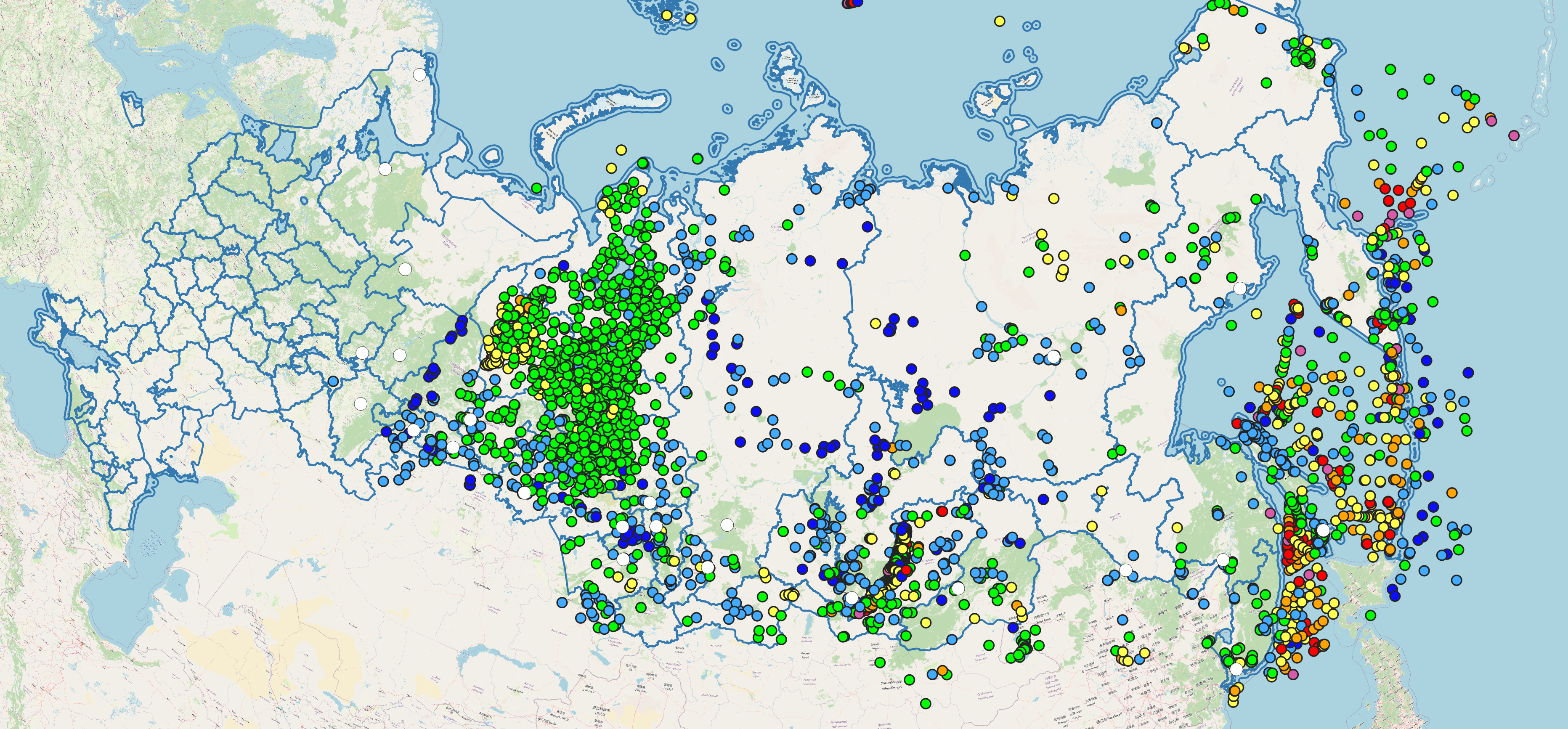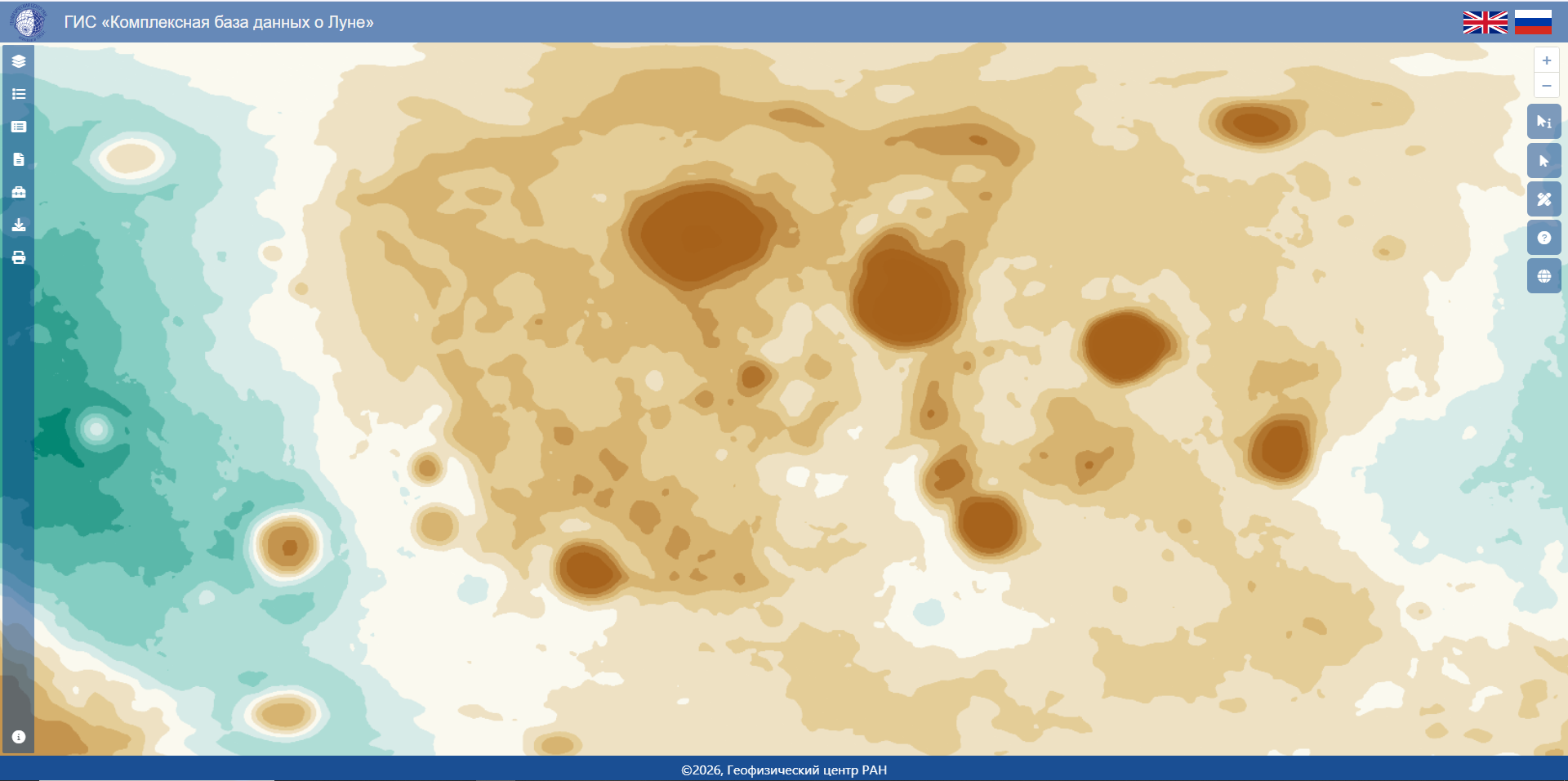


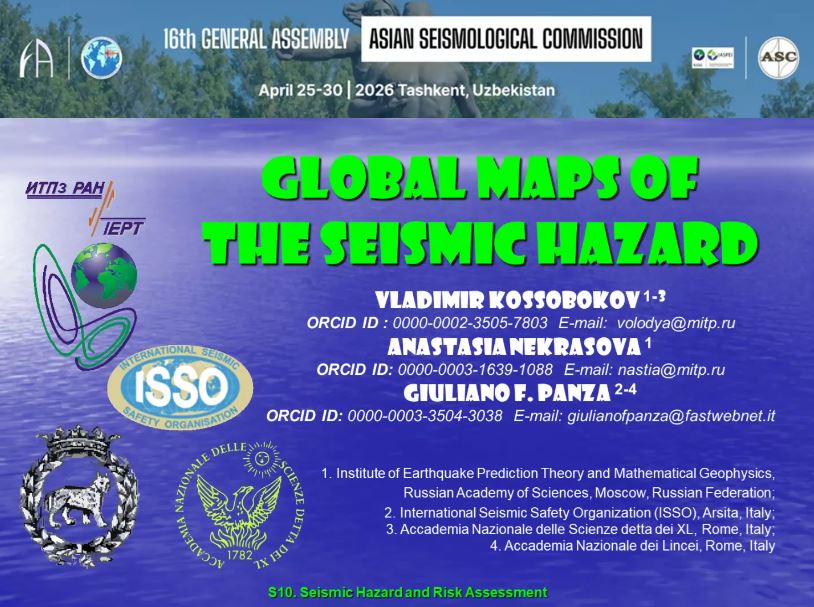
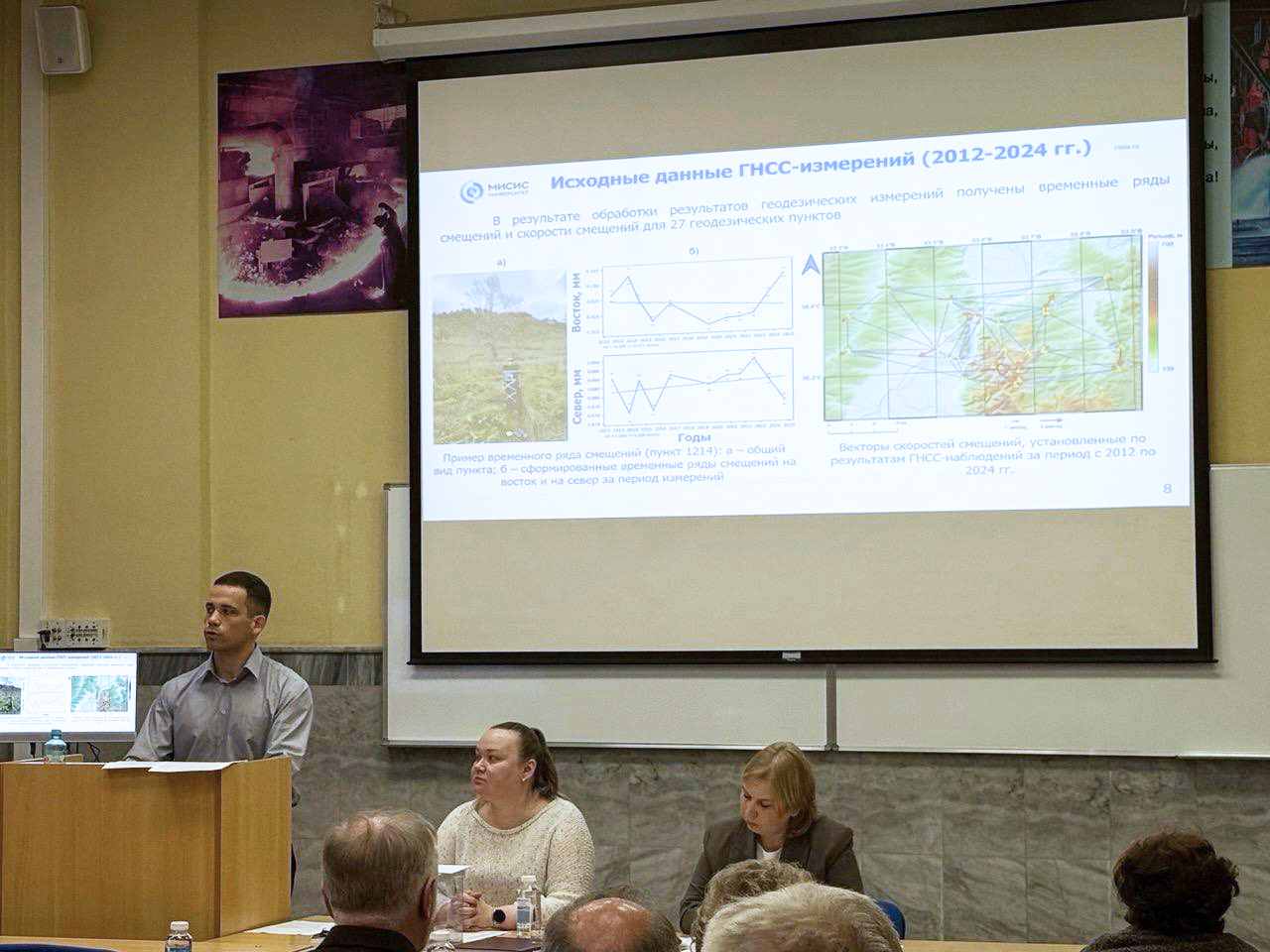
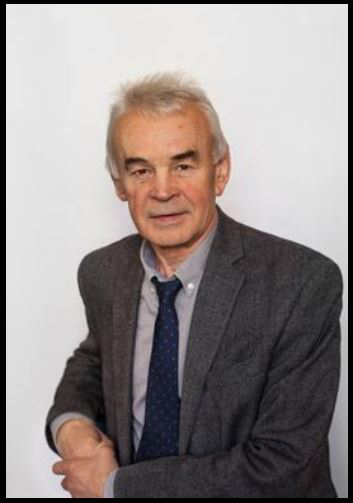
March 26, 2026. On March 25, 2026, the Scientific Seminar of the Geophysical Center RAS took place. A report "A New Look at Global Seismic Hazard Maps" was presented by D.Sc. Vladimir Kosobokov, Principal Research Scientist at the Institute of Earthquake Prediction Theory and Mathematical Geophysics RAS (IEPT RAS). Co-authors of the report – PhD Anastasia Nekrasova (IEPT RAS) and Professor Giuliano Francesco Panza (University of Trieste).
"In my lectures for many years I have noted that some models are useful, others are useless, and others are simply harmful," reported Vladimir Kosobokov.
Global maps based on probabilistic seismic hazard analysis (PSHA) are widely used in many countries for building design and emergency planning. The speaker argues that PSHA-based maps developed under the Global Seismic Hazard Assessment Program (GSHAP, 1999) and by the Global Earthquake Model foundation (GEM, 2019, 2023) are too often erroneous and do not reflect potential damage. The authors of the report believe that PSHA should not be used as a guide for mitigating risks associated with earthquakes and related phenomena.
Following the earthquake in Mandalay on March 28, 2025, when more than 7.5 million people were exposed to extreme shaking, the researchers constructed a simple, common-sense-based deterministic alternative to global PSHA maps. It is based solely on the observed maximum earthquake magnitude from 1900–1999 for comparison with actual strong (M ≥ 6.0) shallow (depth ≤ 70 km) earthquakes from 2000–2025. The resulting DSHM99 map, as verification has shown, is many times safer than the global GSHAP and GEM maps.
"We ask ourselves again and again: why is probabilistic seismic hazard analysis still being used?" said the speaker. According to him, reliable deterministic alternatives significantly outperform probabilistic hazard analysis.
The report was followed by comments. Corresponding Member of RAS Pyotr Shebalin, Director of the IEPT RAS, agreed with the criticism of probabilistic seismic hazard analysis in general. However, PSHA has both disadvantages and advantages. Funds for earthquake protection are limited. The probabilistic model makes it possible to estimate the probability of an earthquake occurring in the next 50 years – the average lifespan of civilian constructions. "Therefore, to simply reject a model outright is, in my view, not entirely correct," noted Pyotr Shebalin.
D.Sc. Vyacheslav Gusyakov, Principal Research Scientist at the Institute of Computational Mathematics and Mathematical Geophysics SB RAS, commented on the report from the perspective of a tsunami specialist. Sharing Vladimir Kosobokov's position regarding the shortcomings of the PSHA methodology, he noted that it still provides an idea of the general nature of seismic hazard. Vyacheslav Gusyakov believes that PSHA cannot be used for any practical purposes without focusing on a specific facility that requires protection or is being considered as a construction site. When conducting such work, all uncertainties associated with the use of this methodology must be taken into account.
D.Sc. Alexey Zavyalov, Head of the Laboratory of Seismic Hazard of the Schmidt Institute of Physics of the Earth of RAS, noted that he is not ready to abandon the probabilistic approach to seismic hazard assessment and the currently used methodology for constructing General Seismic Zonation maps. Research conducted by the Laboratory of Seismic Hazard has shown that in most cases, the intensity of seismic shaking does not exceed the limits indicated in the General Seismic Zonation maps.
In conclusion, Academician of RAS Alexey Gvishiani, Chief Scientist of the GC RAS and Head of the Scientific Seminar, noted: "I really liked the report, precisely for its methodological focus." He emphasized the outstanding role of Vladimir Kosobokov in earthquake research, the importance of the issues raised, and that such reports demonstrate the significance of the modern scientific approach, which is increasingly relying on Big Data.
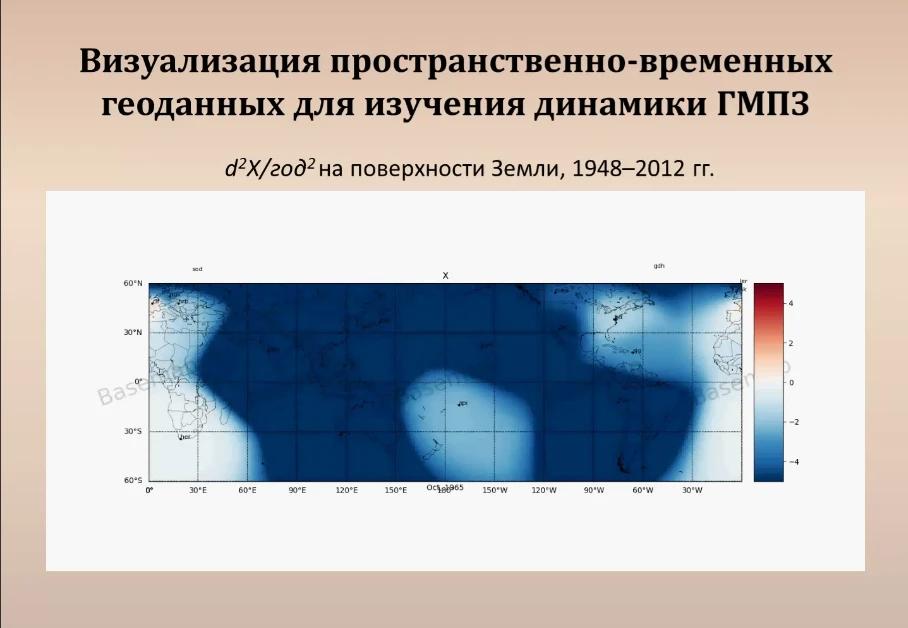


 Analytical Geomagnetic Data Center
 Space weather parameters
 Virtual Magnetograms