

July 2, 2026. On July 29, 2025, an earthquake with a magnitude of 8.8 occurred in the Kamchatka region. As the sixth strongest earthquake in the entire history of instrumental observations, this seismic event did not result in human casualties and did not cause significant damage.
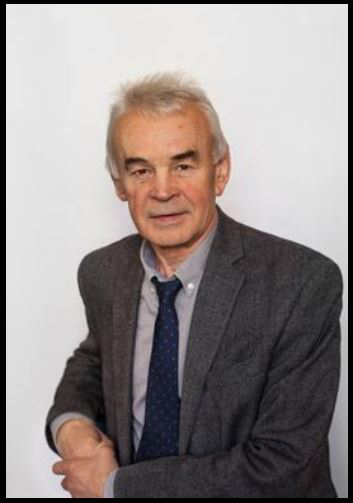
This was made possible largely due to Academician of RAS Sergey Fedotov (1931–2019), an outstanding geophysicist, seismologist, and volcanologist. As early as the 1960s, he developed a method for long-term seismic forecasting based on the concept of "seismic gaps". The method became a breakthrough in seismology and formed the basis for predicting the location and magnitude of the future megathrust earthquake in Kamchatka. Equally important, Sergey Fedotov secured government decisions on seismic retrofitting of buildings and structures in Petropavlovsk-Kamchatsky and other populated areas. Furthermore, warning and evacuation algorithms were improved. Largely due to these measures, the colossal earthquake resulted in no casualties.
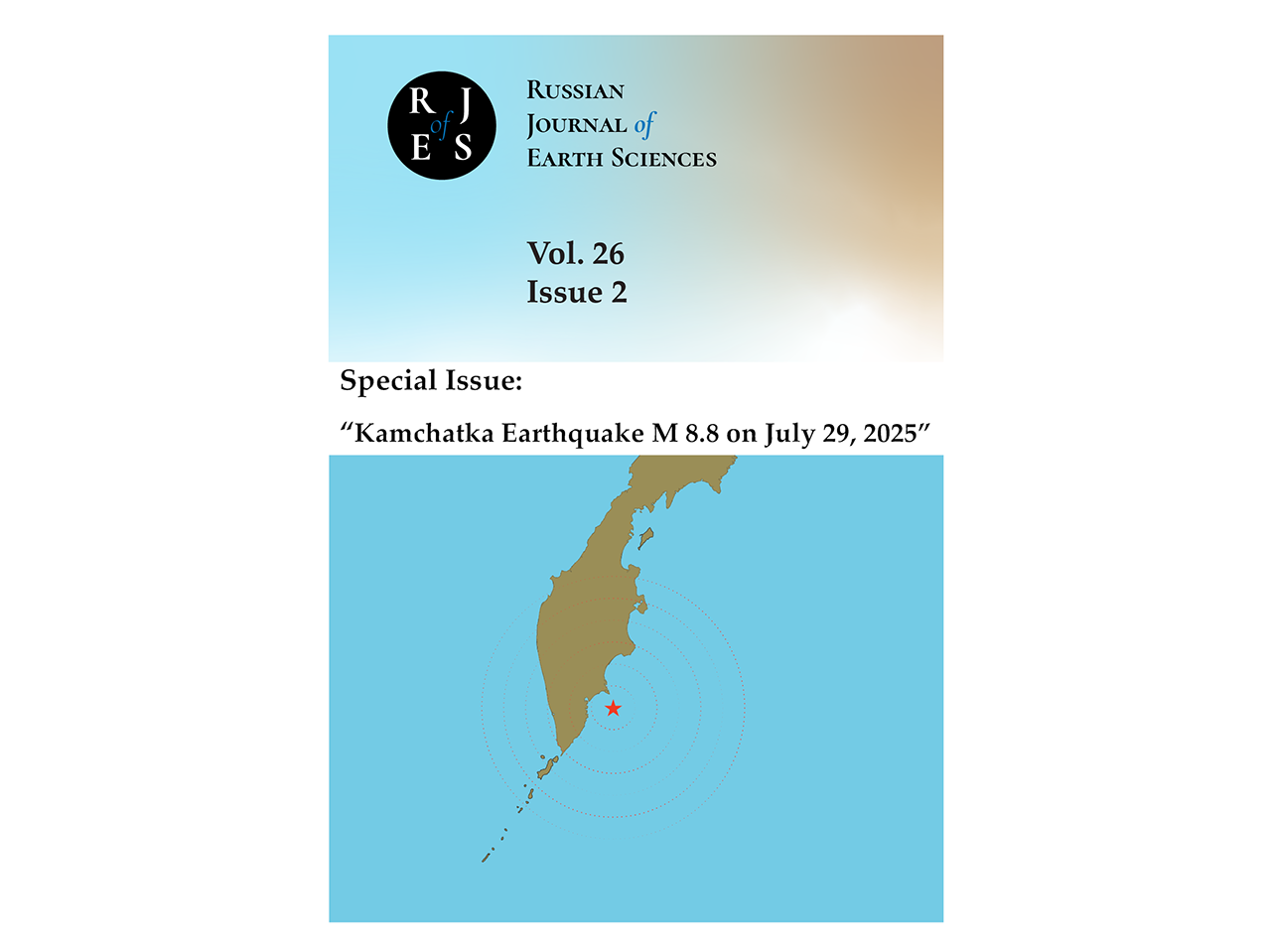
The Geophysical Center RAS published a special issue of the journal Russian Journal of Earth Sciences. The collection of scientific articles presents data obtained over the past year on the Kamchatka megathrust earthquake and its analysis, conducted by leading geophysicists.
"The choice of topic for this issue is in harmony with its dedication — the strongest earthquake that occurred on July 29, 2025, confirmed the scientific concept of Sergey Fedotov and his predictions. The data obtained to date on this event and their analysis constitute the scientific results that are the subject of this special issue of the journal," stated Academicians of RAS Alexey Gvishiani and Alexander Gliko in their introductory article.
The special issue of the Russian Journal of Earth Sciences presents the results of work by 22 scientific teams, which included eight members of the Russian Academy of Sciences. The publication covers numerous aspects of the study of the seismic event, from tectonic prerequisites and source dynamics to impact assessment and the effectiveness of disaster risk reduction measures.

 Analytical Geomagnetic Data Center
 Space weather parameters
 Virtual Magnetograms